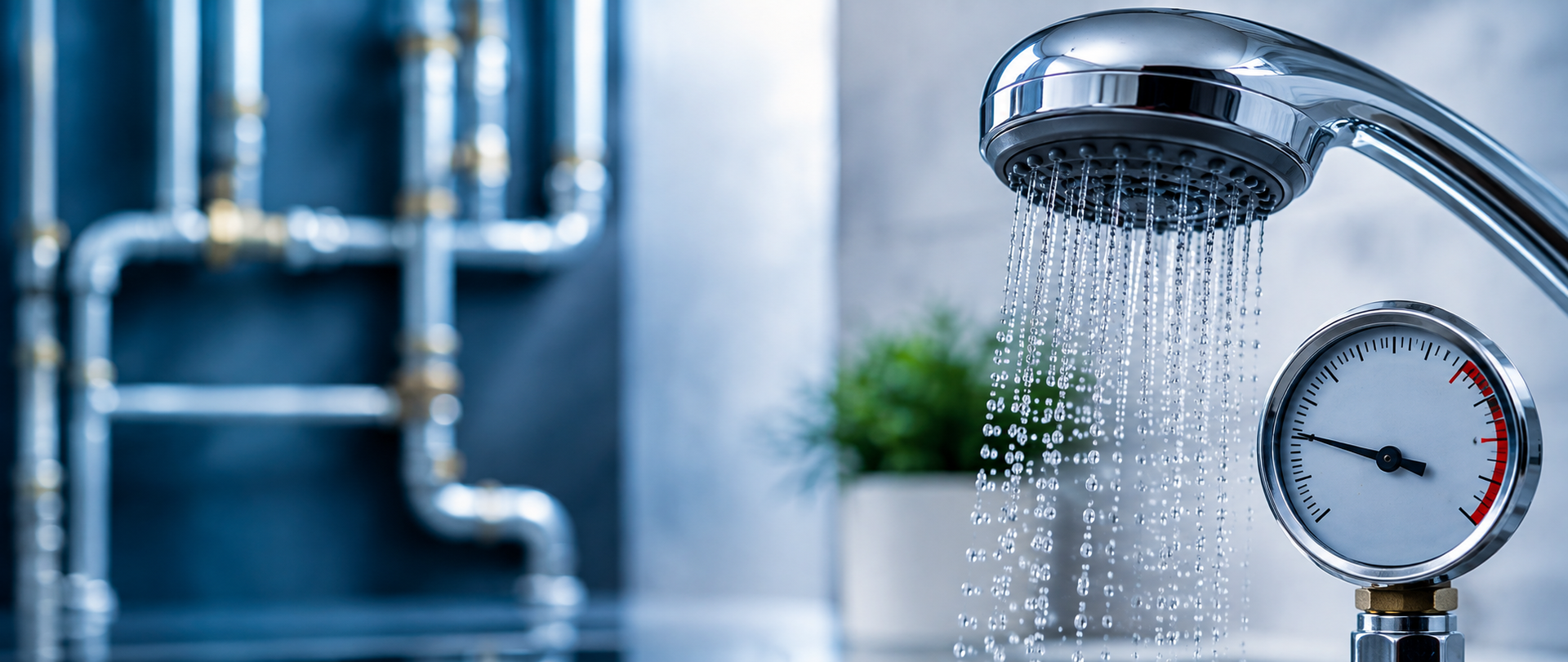
Low water pressure can make everyday tasks frustrating, from taking a shower to washing dishes. While some pressure changes are minor, others can indicate hidden plumbing problems that require professional attention. Understanding the cause is the first step toward restoring normal water flow.
Common Causes of Low Water Pressure
Mineral Buildup
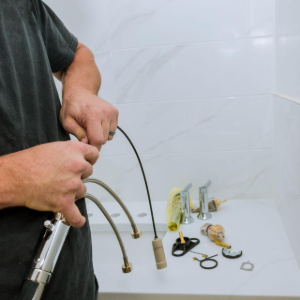
Over time, minerals can accumulate inside faucets, showerheads, and pipes, restricting water flow. This is especially common in areas with hard water.
Hidden Plumbing Leaks
A leak somewhere in your plumbing system can reduce water pressure throughout your home. Hidden leaks can also increase your water bill and cause structural damage if left untreated.
Faulty Pressure Regulator
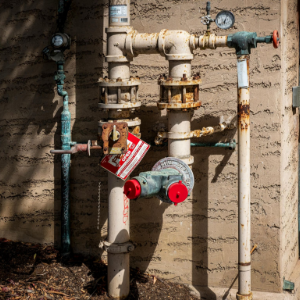
Many homes have a pressure regulator that controls incoming water pressure. When it fails, you may experience pressure that is either too low or too high.
Corroded Pipes
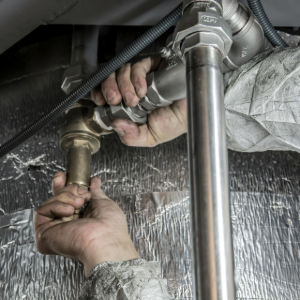
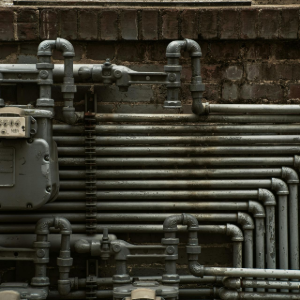
Older galvanized steel pipes can corrode internally, narrowing the pipe diameter and restricting water flow.
Municipal Water Supply Issues
Sometimes the problem isn't inside your home. Water main repairs or utility maintenance can temporarily affect water pressure in your neighborhood.
When to Call a Professional Plumber
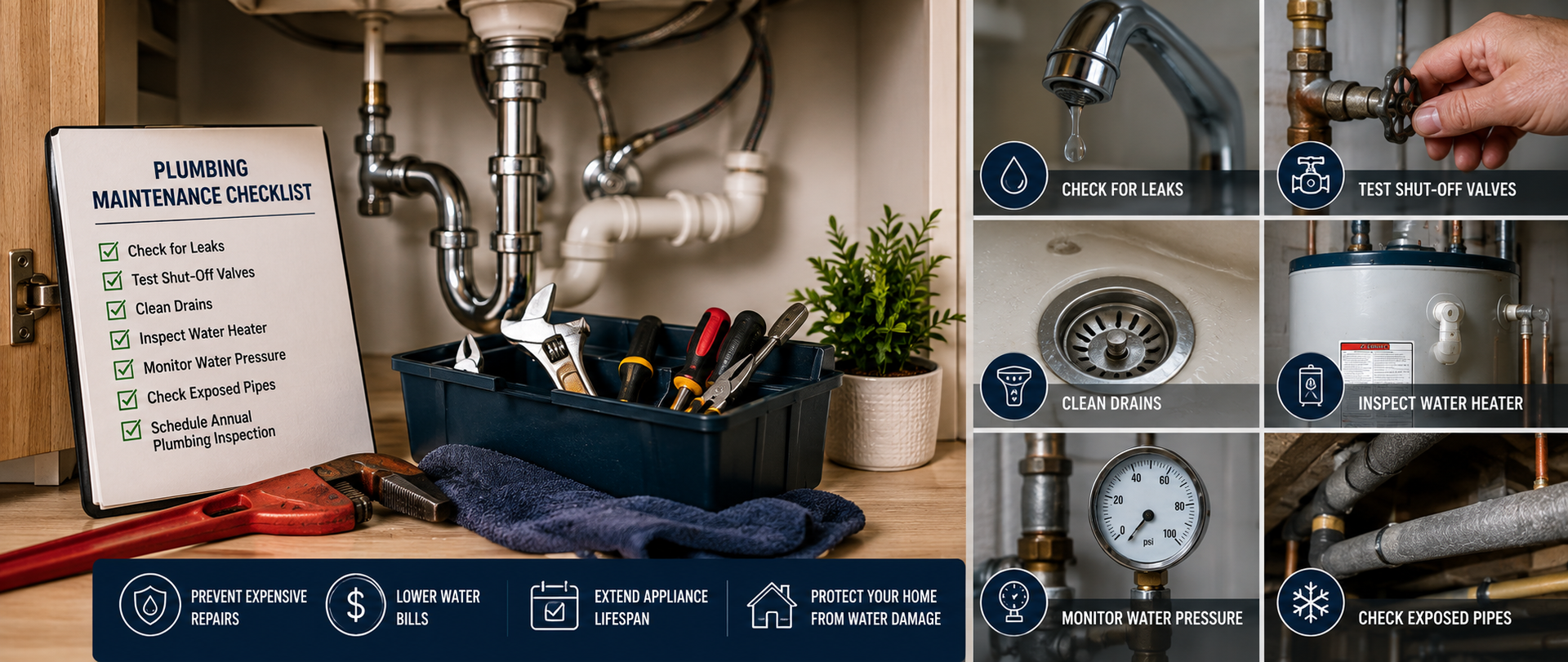
If low water pressure affects multiple fixtures or appears suddenly, it's best to schedule a plumbing inspection. Professional plumbers have specialized equipment to identify hidden leaks, faulty valves, and pressure issues quickly.
Conclusion
Consistently low water pressure shouldn't be ignored. Early diagnosis can prevent larger plumbing repairs while restoring comfort and efficiency throughout your home.